Advances in machine learning and artificial intelligence are revolutionizing the technology world. Recent examples in this domain include intelligent chatbots from Google and Bing and Adobe’s Firefly tool that employs AI to generate multimedia content. However, intelligent software isn’t limited to enhancing online search functionality and content creation — it’s also transforming manufacturing. Software-driven automation in manufacturing can help businesses meet customer demands by increasing flexibility, optimizing efficiency, improving quality and reducing costs.
Delivering Increased Flexibility and Capacity
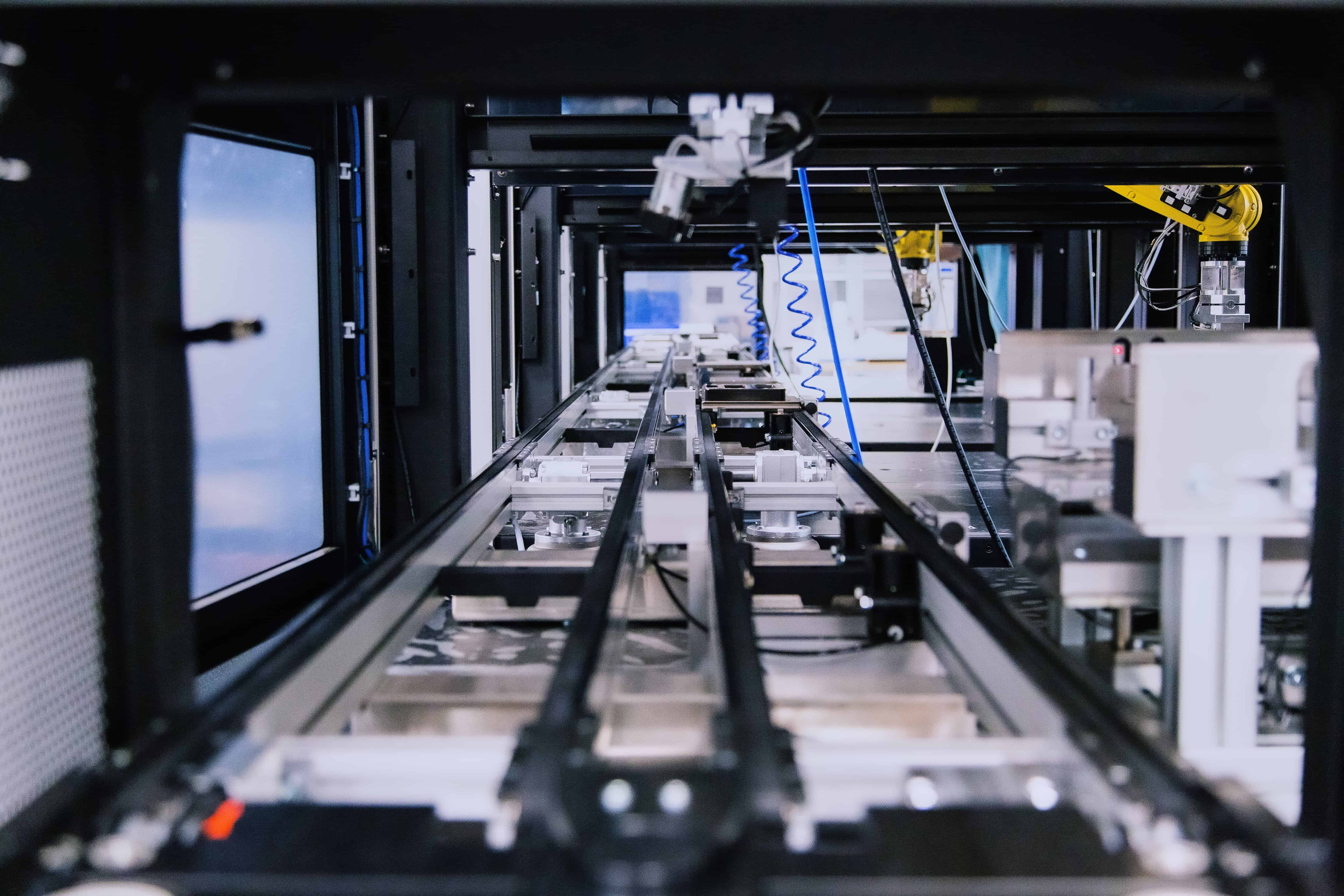
Intelligent automation empowers manufacturers with unprecedented flexibility to adapt to evolving customer needs. Iterating products to meet changing requirements is simplified on software-driven platforms using programmable assembly lines. These modern manufacturing lines consist of modular “cells” that can be reused and reconfigured over time, accelerating production changes for upgraded versions and reducing the time to market for new products. In addition, system-wide changes are managed simultaneously in the cloud instead of on individual machines at multiple locations.
Operators can add new cells or reconfigure existing ones to boost capacity, enabling scalability at previously unattainable speeds. Similarly, modular components allow manufacturers to relocate or duplicate production lines more easily. This is particularly important as many manufacturers seek to mitigate supply chain risks and bring operations closer to their customer base through re-shoring or near-shoring.
Improving Quality Control
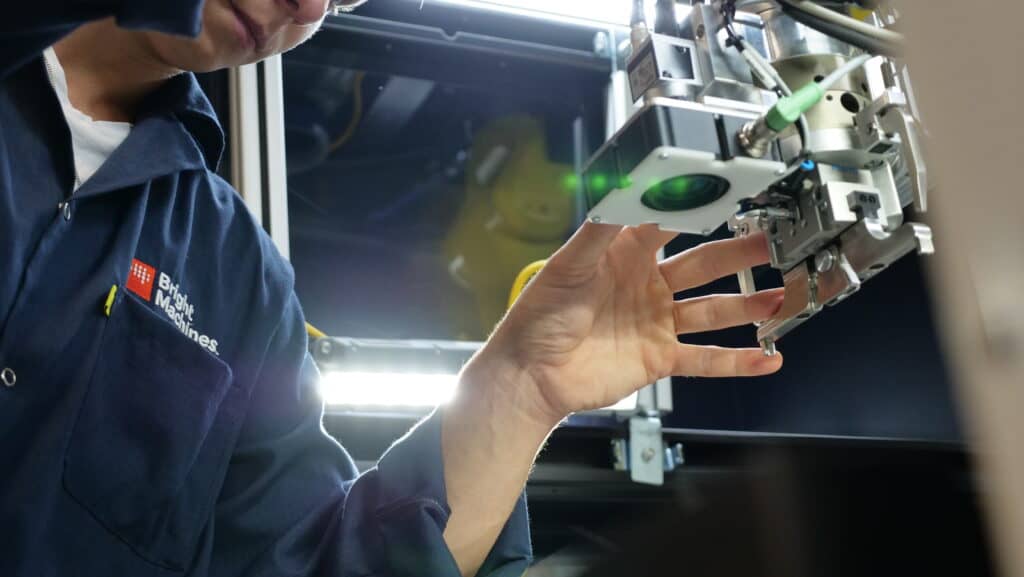
Manufacturing now utilizes software-driven automation to detect product defects by monitoring the production process. Previously, industrial automation relied on factory floor robots with limited quality control capabilities. Today, machine vision technology uses cameras, lenses, calibration, and illumination to monitor assembly lines, enabling swift and targeted responses to subtle variations in production environments. This improves product quality, reduces waste and ultimately enhances customer satisfaction.
Increasing Optimization
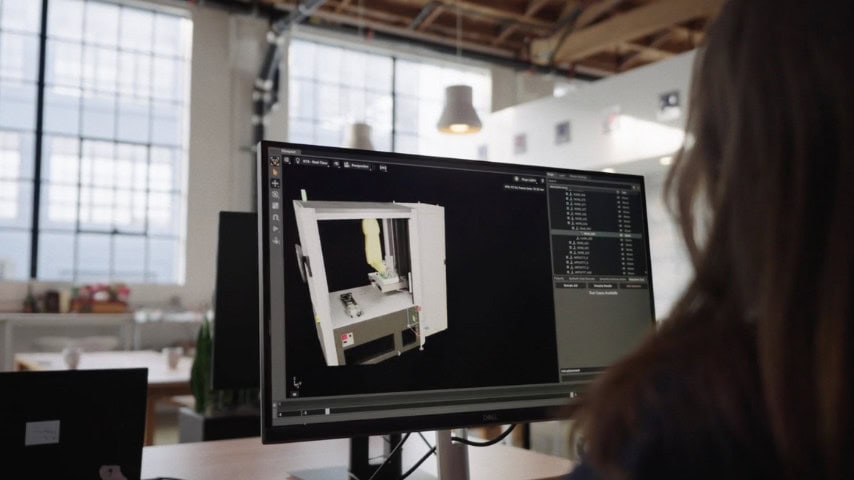
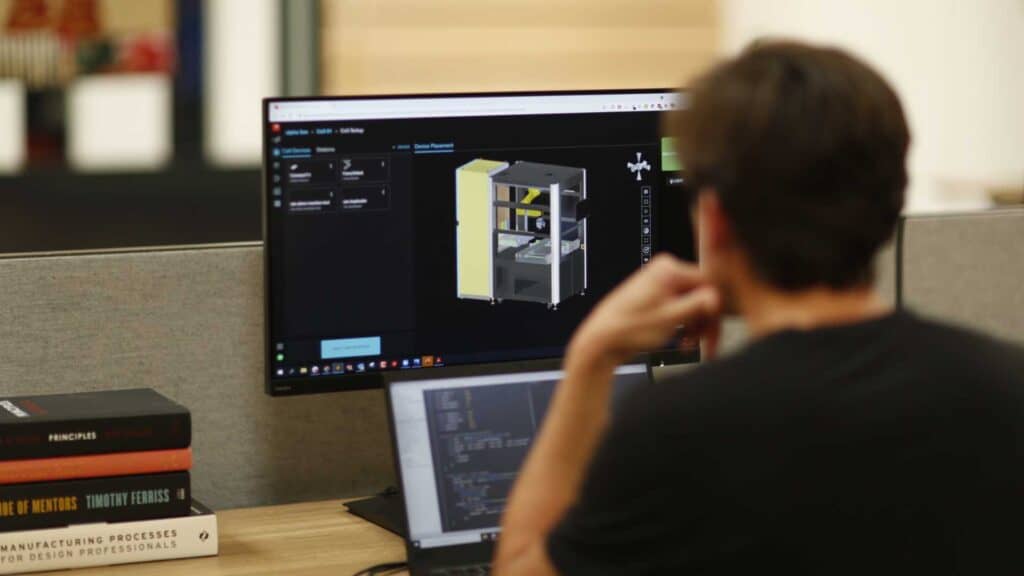
To optimize production processes, intelligent software can analyze information from various sources, such as sensors, machines, and supply chain data. With these insights, manufacturers can identify and resolve bottlenecks, enhance production schedules, and cut costs. In addition, real-time operation monitoring helps teams compare performance across production lines and shifts, ensuring they stay on target. Data analytics also allow organizations to simulate scenarios to optimize production in a virtual environment before implementation.
Enabling Autonomous Robotics
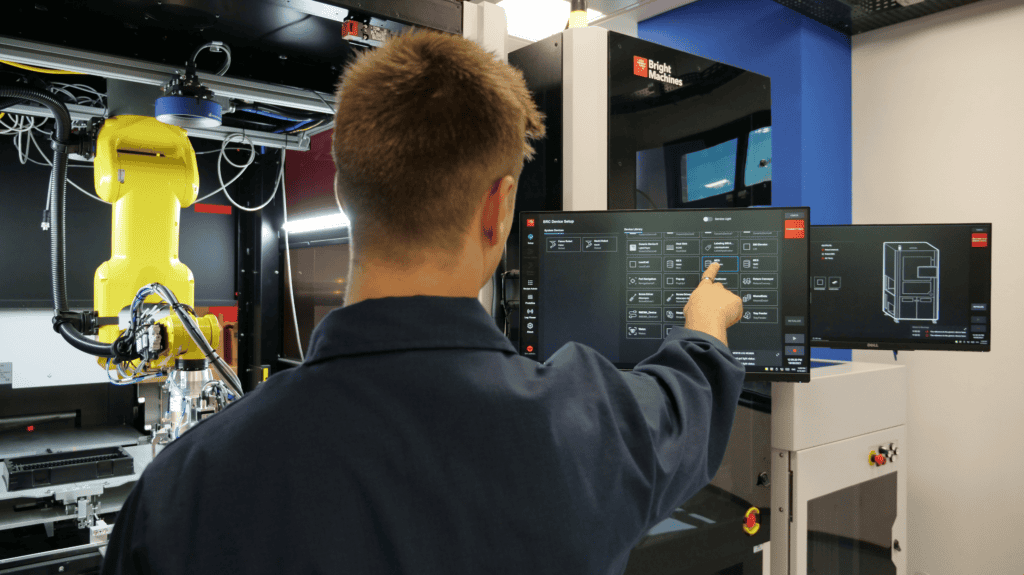
Traditionally, manufacturers relied on human operators or basic automation for intricate assembly tasks like gluing, soldering, and screwdriving. While humans are efficient and adaptable, scaling up and down based on demand is challenging. Basic automation offers consistency and reliability but lacks flexibility. With a software-driven approach, organizations can more easily manage assembly line ramp-up, configuration, and deployment. Autonomous robots and other intelligent software can also perform hazardous or repetitive tasks, reducing the risk of accidents and injuries and enhancing overall safety in manufacturing environments. Humans still play a crucial role, using data analysis to address concerns and employing creativity and problem-solving skills to innovate and develop new processes and products.
Enabling Predictive Maintenance
Real-time production data provided by intelligent automation allows manufacturers to identify potential machine failures across the system. This data enables operators to predict maintenance needs and address equipment issues before they arise. Consequently, preventative maintenance can be scheduled during periods of minimal disruption, which increases efficiency and lowers overall costs.
What’s Next for Manufacturing Automation?
As market requirements evolve, manufacturing production must adapt as well. This means faster design cycles, greater efficiencies, product variety, customization, and shorter delivery times. Intelligent, software-driven automation offers enhanced visibility and flexibility across the manufacturing process. Manufacturers embracing these innovative tools and technologies will be better equipped to swiftly improve and iterate products and production lines, meeting future customer demands.
To learn more about our offerings, please visit our Capabilities page.